
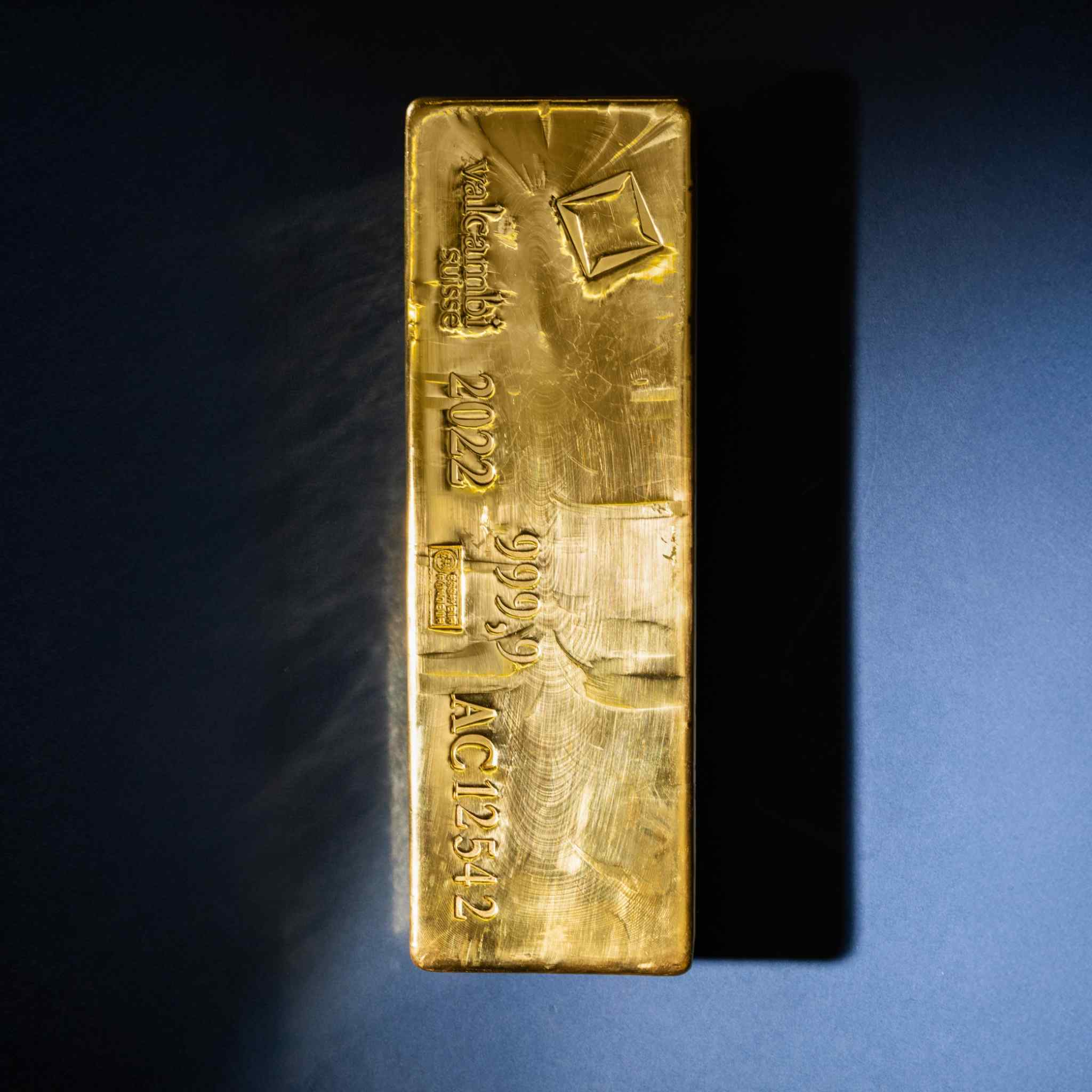


What is 24 karat gold?
24 karat gold is the purest form of gold there is: 24 out of 24 parts are gold, with no other metals mixed in. It is the purity in which investment gold is traded, yet you will rarely see 24 karat gold in jewelry. On this page, you can read what "karat" actually means, why jewelry usually has a lower karat, and how to recognize 24 karat gold.
Karat as a measure of gold purity
The purity of gold is measured on a scale of 24 parts. In 24 karat gold, all 24 parts are gold, with no other metals mixed in.
In practice, 24 karat gold is 99.9% pure, which is why it is also referred to as "999" or "fine gold." It is mostly traded as investment gold. You will rarely come across 24 karat jewelry.
For gold, the term karat (abbreviated "K" or "kt") indicates how many of the 24 parts are actually gold. The lower the karat, the smaller the proportion of gold, with the rest made up of other metals such as copper, silver, or palladium. This is known as "alloying."
Karat should not be confused with carat (abbreviated "ct"), the unit used for the weight of gemstones. For a gemstone, one carat equals 0.2 grams, so it has nothing to do with the purity of gold.
Gold jewelry: why 24 karat is rare
"Surely 24 karat gold jewelry would be in high demand," you might think. What you may not expect, however, is that 24 karat gold is quite soft. A ring or bracelet made of 24 karat gold would quickly scratch, bend, or lose its shape when worn. Jewelry made of pure gold is therefore simply not practical. The solution is to mix gold with other metals, making it harder and more resistant to scratches, bending, and dents.
That is why you are more likely to see gold jewelry in 14 or 18 karat.
The color of gold jewelry
Gold jewelry also comes in different colors: for example, the classic yellow of gold or the pink tint of rose gold.
These colors are achieved by mixing (alloying) gold. The metal the gold is mixed with also determines the color of the piece. A combination of copper and silver, for example, produces a yellow gold color, while palladium and nickel both produce a white gold color. Rose gold is achieved with copper. 24 karat gold, on the other hand, is always yellow.
How do you recognize pure gold?
To the naked eye, pure gold can only be recognized by a hallmark or assay stamp. In the Netherlands, all jewelry above a certain weight must be stamped with a hallmark. This indicates the gold content: 999 for 24 karat, 750 for 18 karat, and so on. See also the table at the beginning of this article. For physical investment gold, such as gold bars and gold coins, you will find the purity on the certificate.
There are also tests you can do yourself to check whether gold is pure. We'll walk you through them:
- Magnet test Run a magnet along the gold. Because gold is not magnetic, the magnet will not stick to pure gold.
- Weighing The weight and density of the gold can help you determine whether it is pure. Gold is considerably heavier than most metals used to imitate it or mix with it.
These tests can give you a first impression of gold purity, but the results are no guarantee. If you want to know the gold content for certain, you will need to have a professional measurement done, such as an XRF analysis or an acid test. Gold dealers and accredited jewelers can do this for you.
Value and price of 24 karat gold
24 karat gold directly follows the current gold price (spot price) per gram or per troy ounce. Because it is virtually pure gold, no adjustment is made for alloying. The price of gold bars and investment coins is also close to this, with a limited margin on top.
For jewelry, it's a different story: the actual resale value is often lower than what you paid for it. That's because you pay not only for the material, but also for the design, the craftsmanship, and the jeweler's margin.
Investing in gold: jewelry or physical investment gold?
Gold is known for its long history of stability. Perhaps that is a reason why you are considering investing in gold. There are various ways to invest in gold, but we will briefly discuss two of them: jewelry and gold bars.
Jewelry is generally less suitable as an investment because of labor and design costs and margins. You are unlikely to get back the premium you pay for design, craftsmanship, and so on when you sell. In addition, you pay VAT on gold jewelry in the EU.
Gold bars and investment coins, on the other hand, are close to the spot price, are recognized by dealers worldwide, and are partly for that reason easier to trade. If you choose physical investment gold with a purity of at least 995/1000, it is exempt from VAT in the EU.
GoldRepublic does not provide investment advice. If you are considering gold as part of your investment portfolio, please discuss this with your financial advisor.
Buying 24 karat gold at GoldRepublic
At GoldRepublic, you invest in 24 karat gold in the form of gold bars. You can count on transparent prices, secure storage in our external vaults, full insurance, and a buyback guarantee on all gold purchased.
24 karat gold explained: how it differs from 14 and 18 karat, how to recognize it, and your investment options.

GoldRepublic is a leading European platform for physical precious metals, founded in 2010 as the first precious metal dealer licensed by the AFM (Dutch Authority for the Financial Markets). Our articles are written by a team of specialists in macroeconomics, precious metals and geopolitics.


