
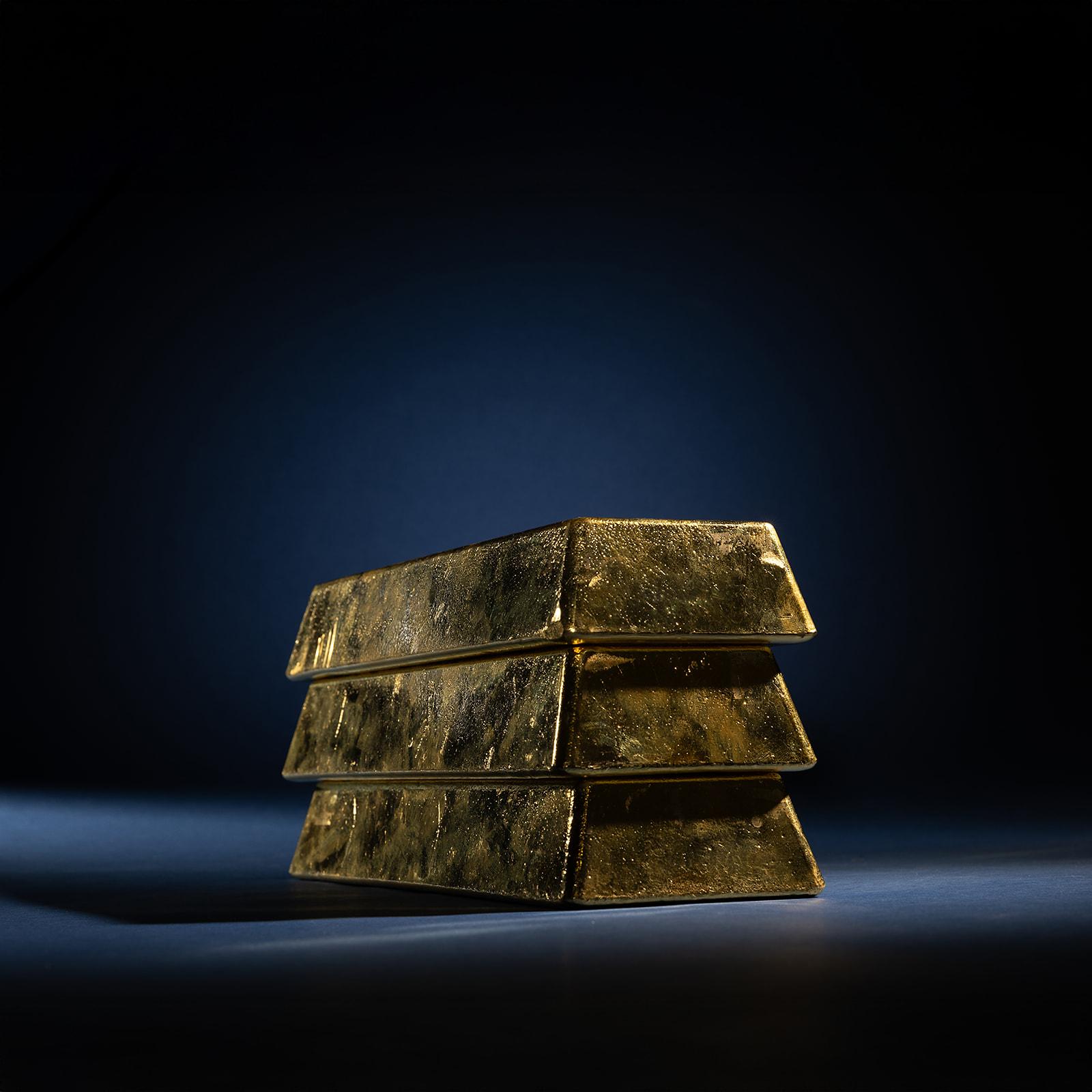


Where does gold come from?
Many people know that gold has value, but few know why. Where does gold actually come from? And why is gold so scarce? On this page, you'll learn how gold is formed, where it's found in the earth, and what this means for the value and availability of gold.
The origin of gold
Although gold is mined from the earth, the precious metal surprisingly doesn't actually originate on earth. Gold is so heavy that it can only be formed in extreme cosmic events.
Scientists now agree that gold is formed in so-called supernova explosions (explosions of massive stars) and collisions between neutron stars.
These events release an enormous amount of energy, allowing heavy elements such as gold to form. This phenomenon likely occurred billions of years before the earth even existed.
When our solar system formed, this gold became mixed with cosmic dust and rock. That's how gold eventually ended up on earth.
How old is gold?
Gold is estimated to be more than 4 billion years old. The gold you buy today is therefore older than the earth itself. This is also one of the reasons gold has such a unique and lasting value: it doesn't decay, doesn't rust, and doesn't change composition.
How does gold form in the earth?
Although gold originates in space, it ends up on earth through the following processes:
- Gold is spread deep within the earth's crust in very small quantities
- Landslides, volcanic activity, and high pressure bring gold closer to the surface
- Through cracks in rock, gold is deposited in veins and deposits
Erosion also plays an important role. Rock wears down due to wind and water, releasing particles of gold.
Where is gold found underground?
Gold is usually found in quartz veins deep underground, in ancient river deposits, or alongside metals such as copper and silver. The concentration of gold in rock is extremely low. To extract one gram of gold, more than a tonne of rock usually needs to be processed.
How does gold end up in rivers?
Gold is heavy. When gold-bearing rock crumbles, lighter materials wash away while the gold remains behind. That's why gold is often found in riverbeds, in river bends, and behind large rocks. This is why gold prospectors have traditionally "panned" for gold in rivers.
Is gold also found in space?
Yes. In fact, most of all the gold that exists is still out in space. There are asteroids drifting around estimated to contain more gold than has ever been mined on earth.
Where is most gold found today?
Gold mining is heavily concentrated in a small number of countries. The table below shows the largest gold-producing countries and their share of global gold production.
Historically, South Africa was also a dominant producer, but its production has declined sharply.
What happens to the gold price if a large amount of gold is suddenly discovered?
In theory, a major new discovery could cause the gold price to fall significantly. In practice, this is highly unlikely. New (large) discoveries are extremely rare, and it takes years before gold actually reaches the market.
The total gold supply grows by only 1% to 2% per year, which is why gold is expected to remain structurally scarce.
Can synthetic gold affect the price?
No. Although gold can be replicated in laboratories at the atomic level, this is very expensive and not scalable. Synthetic gold has no influence on the global gold market and doesn't currently pose any serious threat to the value of physical gold.
Where does gold come from and why is it so scarce? Discover how gold is formed in space, how it ends up in the earth, and what this means for value and price.

Bart Brands is precious metals specialist at GoldRepublic and the face of the company towards customers and media. His interest in precious metals was sparked during the financial crisis and deepened through his background as a security expert and geopolitical analyst. He hosts the weekly podcast GoudKoorts with over 45,000 YouTube subscribers, regularly speaks at events on precious metals and authored the book Chaos zonder Goud!


