

ECB: Gold Surpasses US Treasuries as the World's Largest Reserve Asset
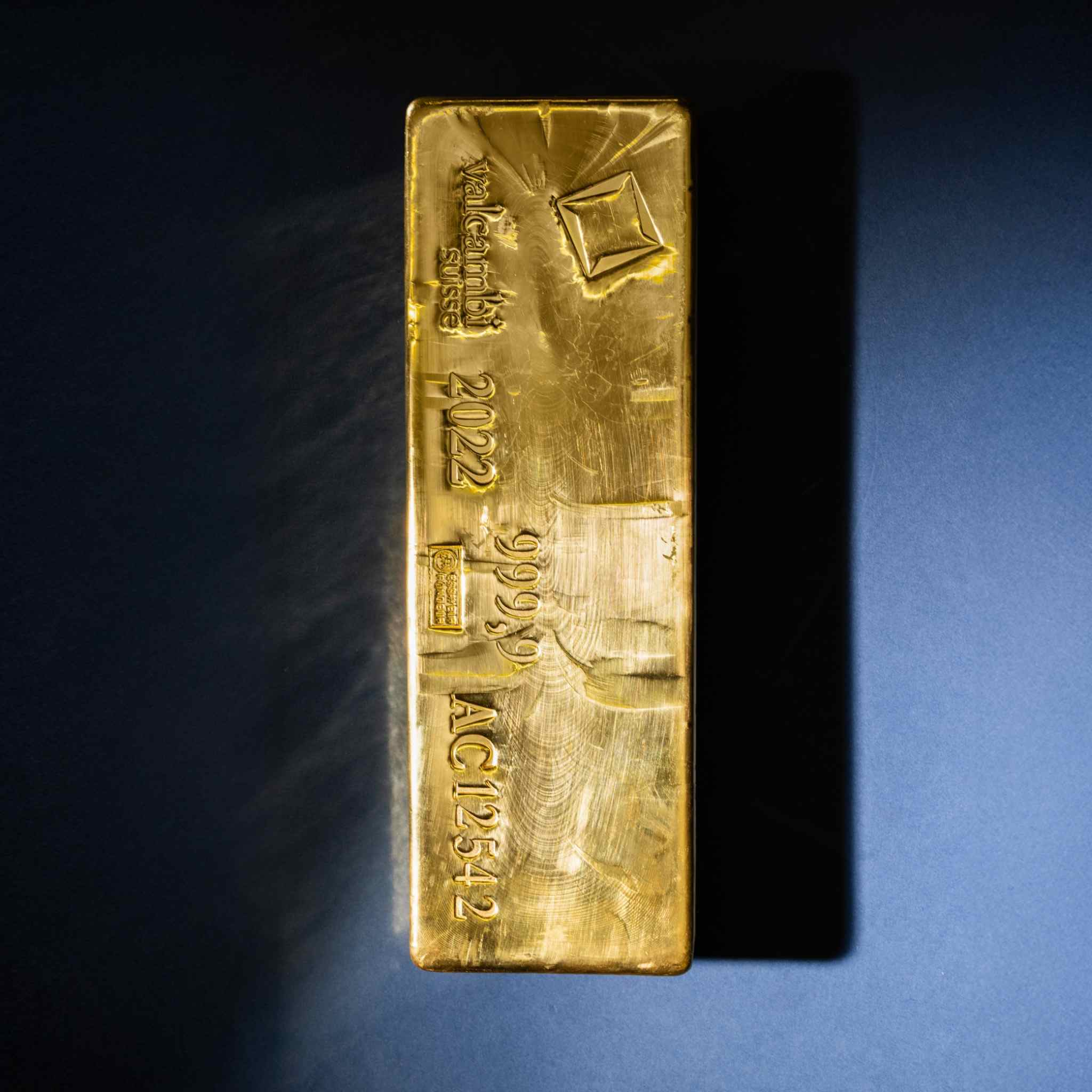
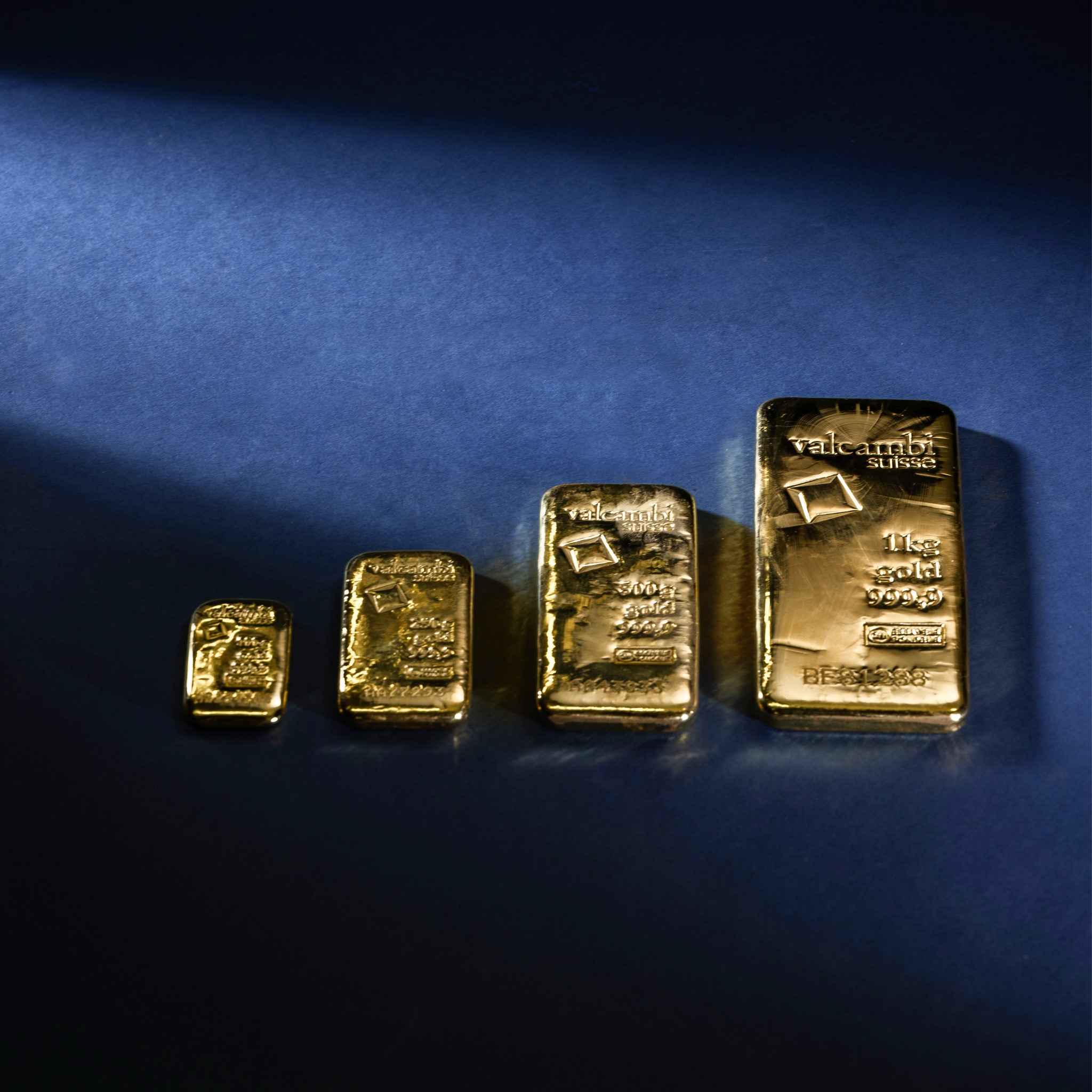
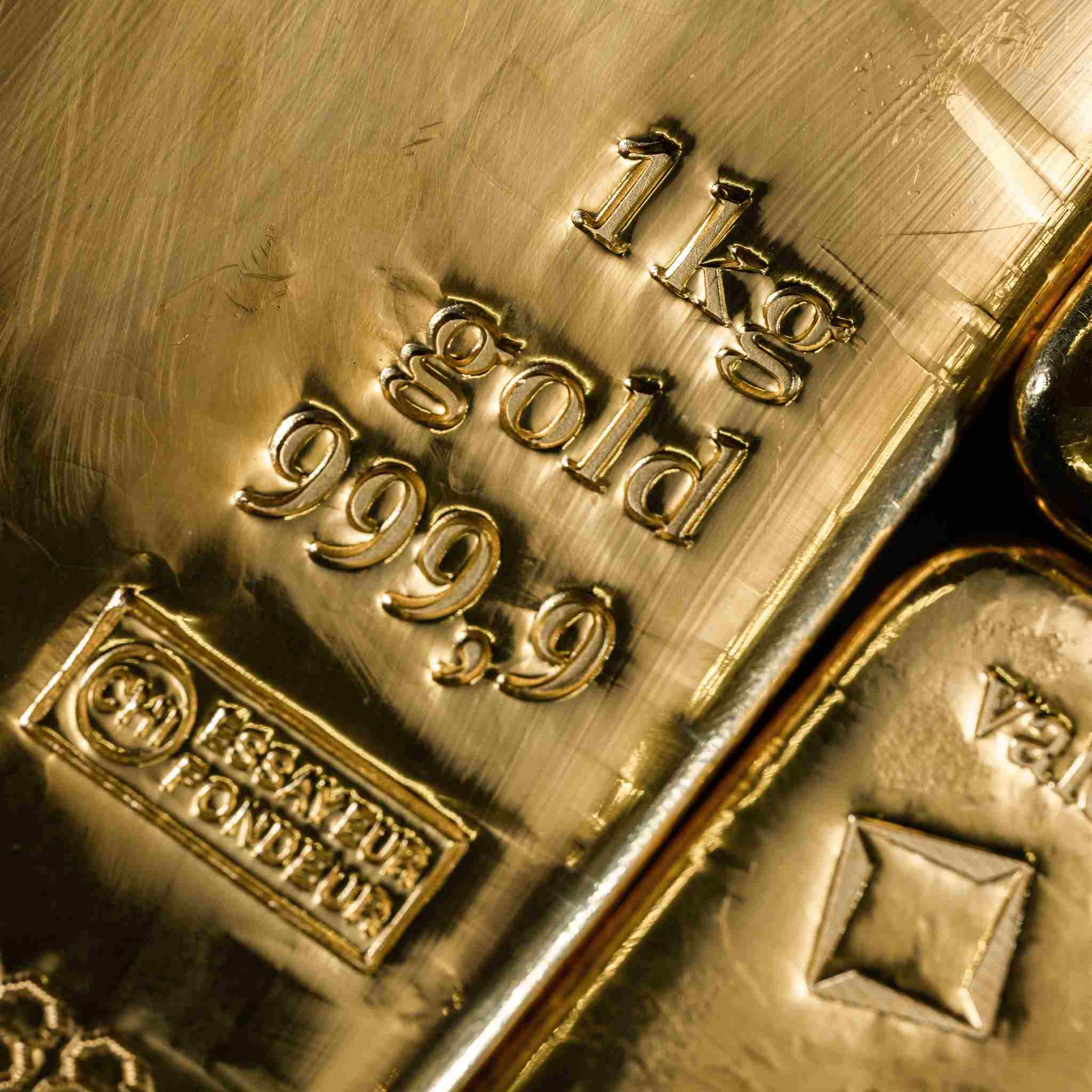
Gold had a remarkable year in 2025. Recent research from the European Central Bank (ECB) shows that the precious metal grew into the world's most important reserve asset for central banks last year. At the end of 2025, gold made up 27% of total official reserves held by central banks worldwide.
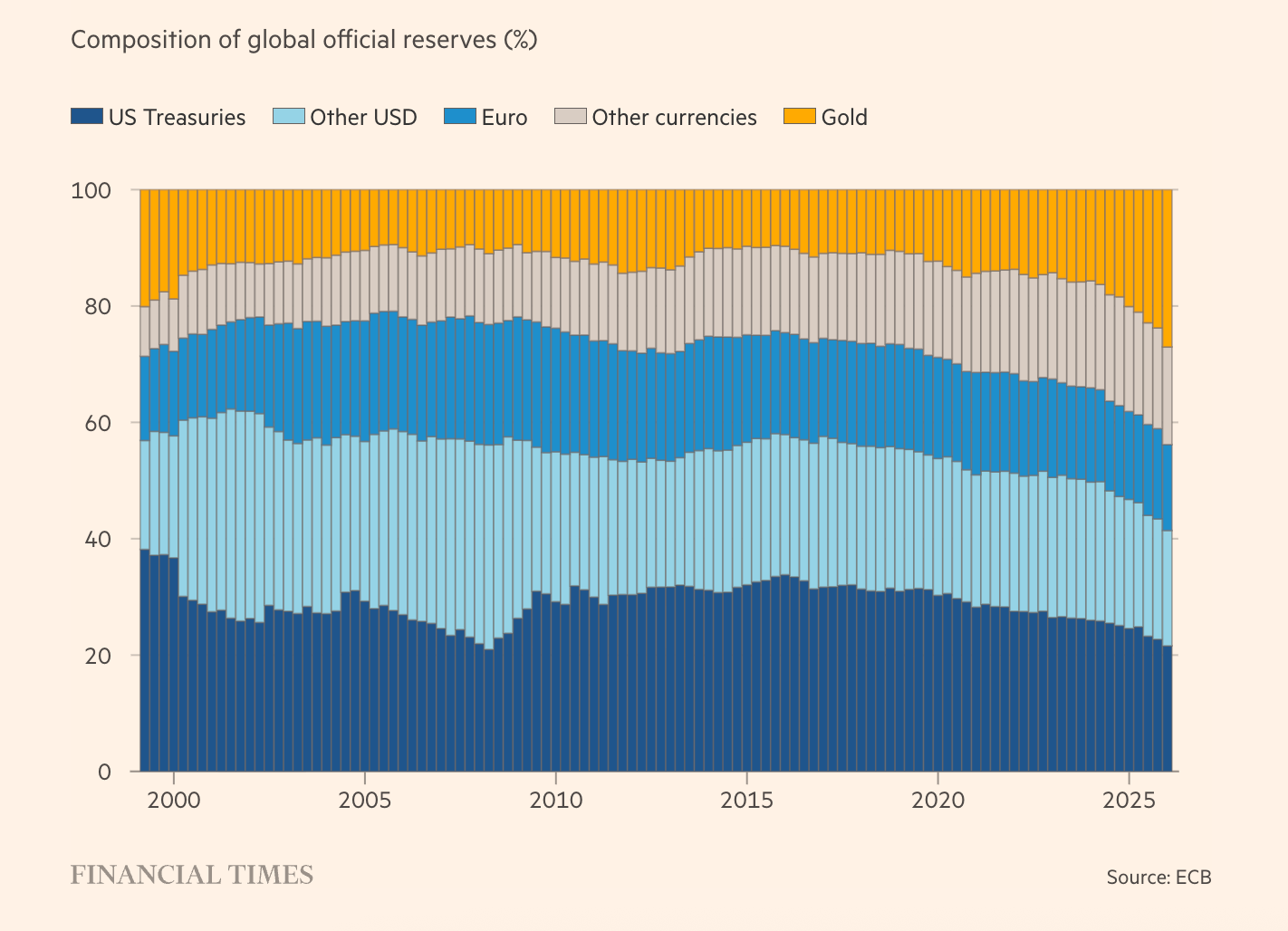
Just a year earlier, that figure stood at 20%. US Treasuries fell from 25% to 22% over the same period. In relative terms, gold has become more significant than the traditional backbone of the dollar system.
This marks a historic moment for gold, though it's worth noting that the shift was partly driven by the sharp rise in the gold price itself.
A Historic Moment Following a Western Misstep
For decades, US government bonds were the ultimate reserve asset for central banks. They were liquid, safe, and paid interest. Gold offered none of that. It pays no yield, is relatively costly to store, and is less practical as a liquidity instrument in times of stress.
And yet, more and more central banks are choosing to buy gold.
That says something important about trust, not so much about confidence in the US economy in the short term, but about confidence in the financial system as it has been built since World War II.
That trust took a hit following Russia's invasion of Ukraine in 2022, when the United States and its allies froze Russian dollar reserves. Politically, that was understandable. Monetarily, it was a wake-up call for countries outside the Western bloc.
By freezing Russia's reserves, the US and its allies effectively sent the message that dollar reserves are only safe if you're on the right side geopolitically.
Looking for Alternatives to the Dollar
For countries like China, India, Turkey, and other emerging powers, that's reason enough to explore alternatives, not because they can walk away from the dollar overnight, but because they want to reduce their dependence on it. Gold fits that picture perfectly. It is no one's liability, no one's promise, and no one's political tool.
This is clearly reflected in the data. Central banks have been buying significantly more gold since 2022, not just in euro or dollar terms, but in pure weight as well.
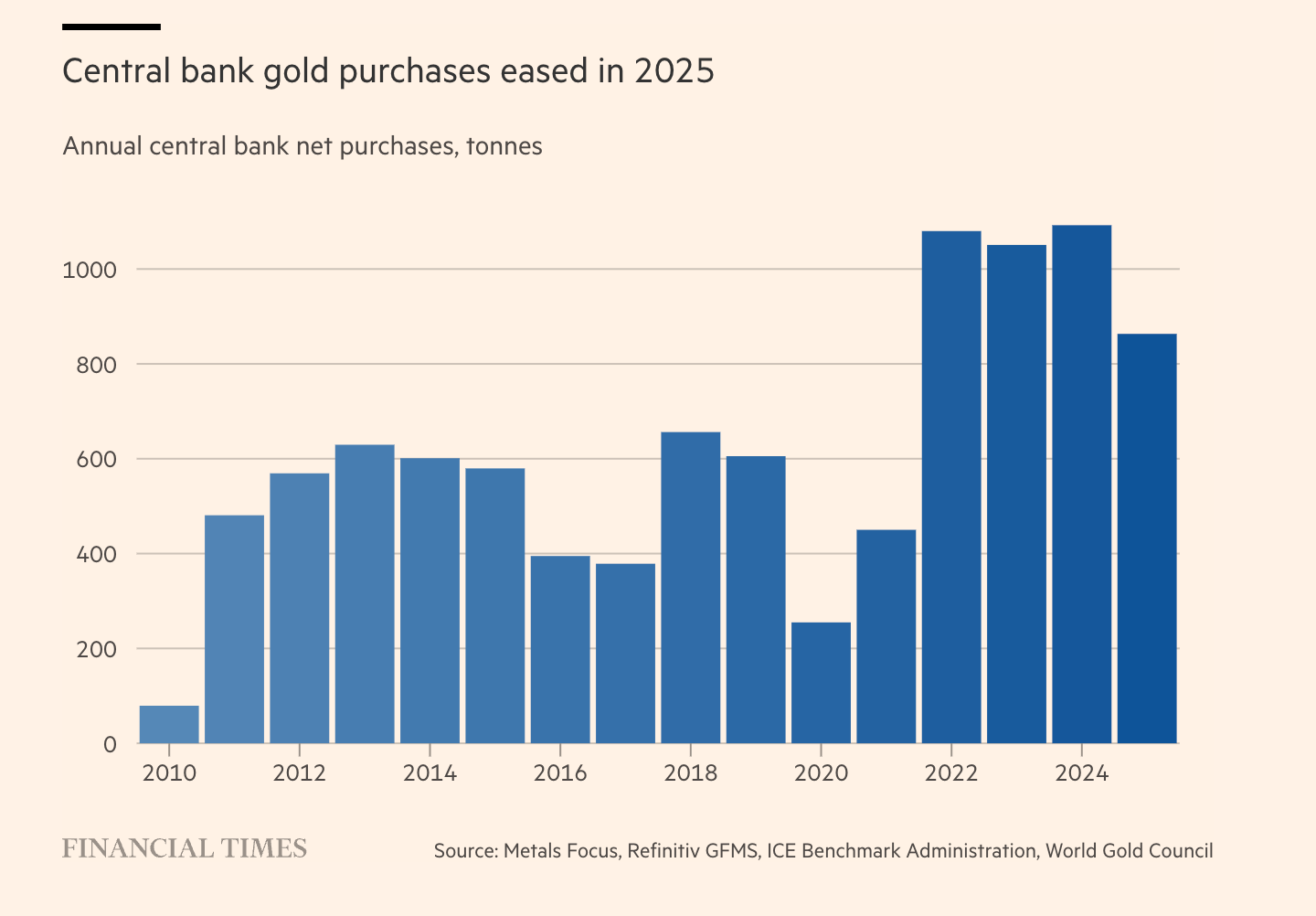
That makes the shift all the more significant. US Treasuries are a claim on the US government. Gold is a claim on no one. In a world where geopolitics, sanctions, capital controls, and financial fragmentation are becoming more prominent, that very quality of gold gains in value.
Still, this trend shouldn't be overstated. Gold's rise isn't solely the result of massive central bank purchases. It's also a product of the metal's enormous price increase. The gold price nearly doubled in two years, reaching a peak of more than $5,500 per troy ounce in early 2026, automatically lifting gold's share of reserves along with it.
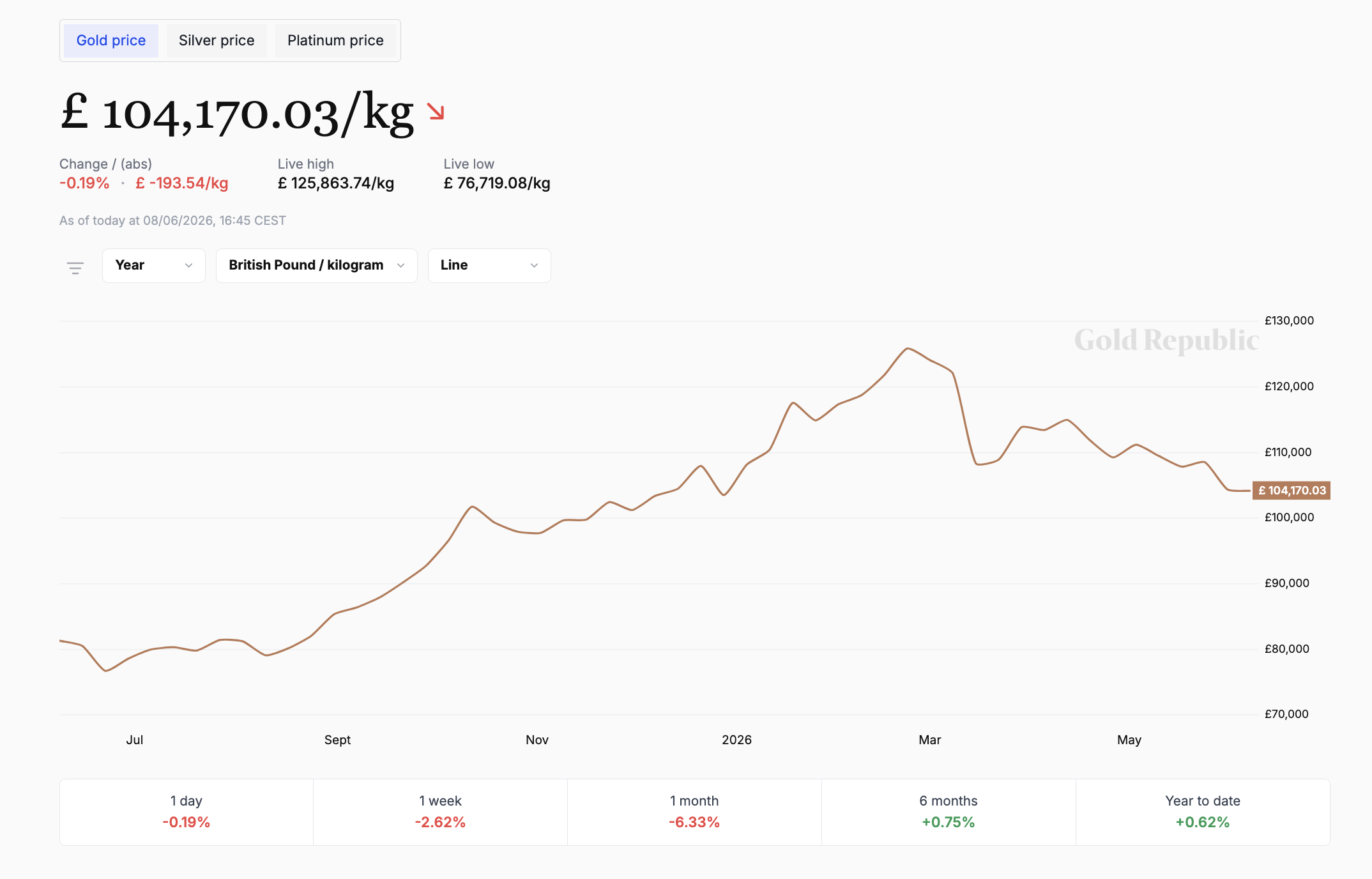
Central banks have been buying gold, but the market has amplified the move. It wasn't just central bankers; other investors too have come to see extra value in gold in today's world.
That is telling. In a world where trust in sovereign balance sheets, currencies, and geopolitical relationships is under pressure, central banks are falling back on the oldest reserve asset in existence. Not because gold is modern. Not because gold is productive. But because gold carries no counterparty risk.
That is the quiet message behind these figures. The world isn't necessarily looking for a new leader of the monetary system. The world is primarily looking for ways to be less dependent on the old one.
That makes gold's rise not a curiosity, but a symptom of a broader structural shift. The dollar system remains dominant, but it is no longer untouchable. And that is precisely where gold is now benefiting.
According to the ECB, gold is now the most important reserve asset of central banks worldwide. Why countries increasingly want to be less dependent on the dollar.

Thom Derks writes for GoldRepublic on gold, macro-economics and geopolitics. He studied Law in Leiden and Economics in Amsterdam. His personal fascination with scarcity and store of value through both bitcoin and gold brought him into the world of financial journalism. Through his own newsletter De Geldpers on Substack, he reaches over 5,800 subscribers with analyses on markets, geopolitics and the monetary system.